
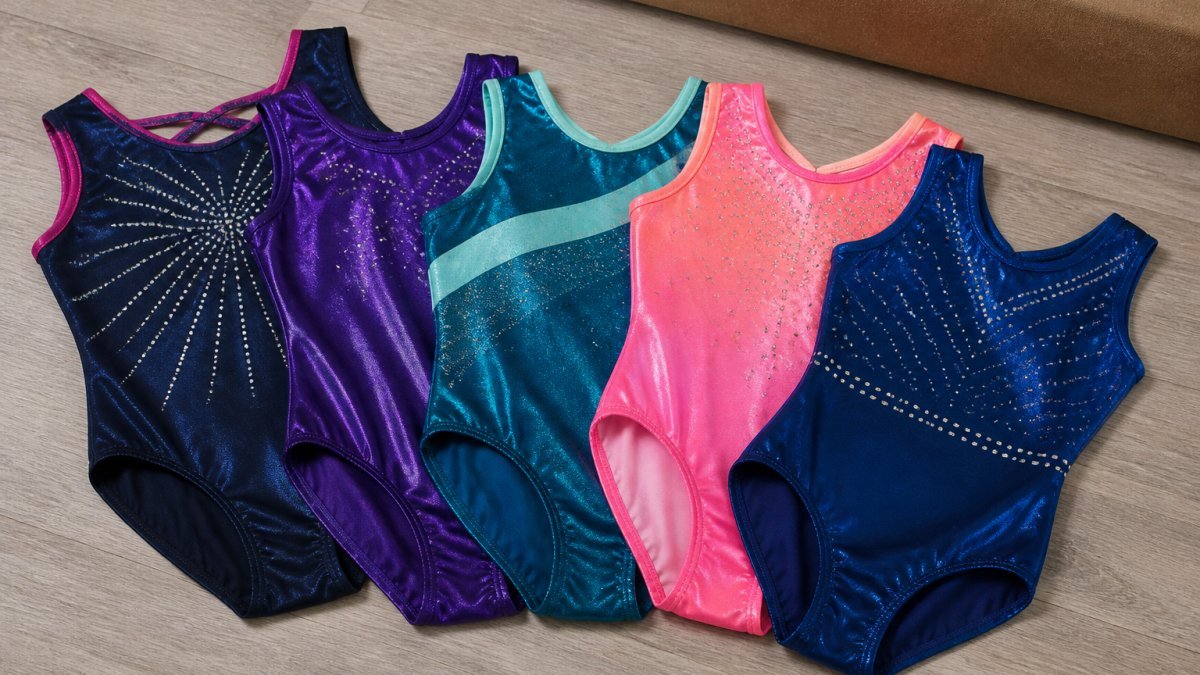
Best Gymnastics Leotards for Practice: 2026 Guide
Table of Contents
- What Separates a Good Practice Leotard From a Great One
- Quick Comparison: Foxy's Practice Leotards at a Glance
- How to Choose a Gymnastics Leotard for Daily Training
- Gymnastics Leotard Fit: Sizing Without the Guesswork
- What to Look For in Gymnastics Leotard Brands
- Top Foxy's Picks for Practice, by Gymnast and Budget
- Caring for Practice Leotards: Wash, Wear, and Long-Term Value
- Conclusion: Building a Practice Rotation That Works
- Frequently Asked Questions
Last Updated: October 13, 2026
What Separates a Good Practice Leotard From a Great One
A practice leotard is a training garment built for repeated wear, frequent washing, and full freedom of movement.
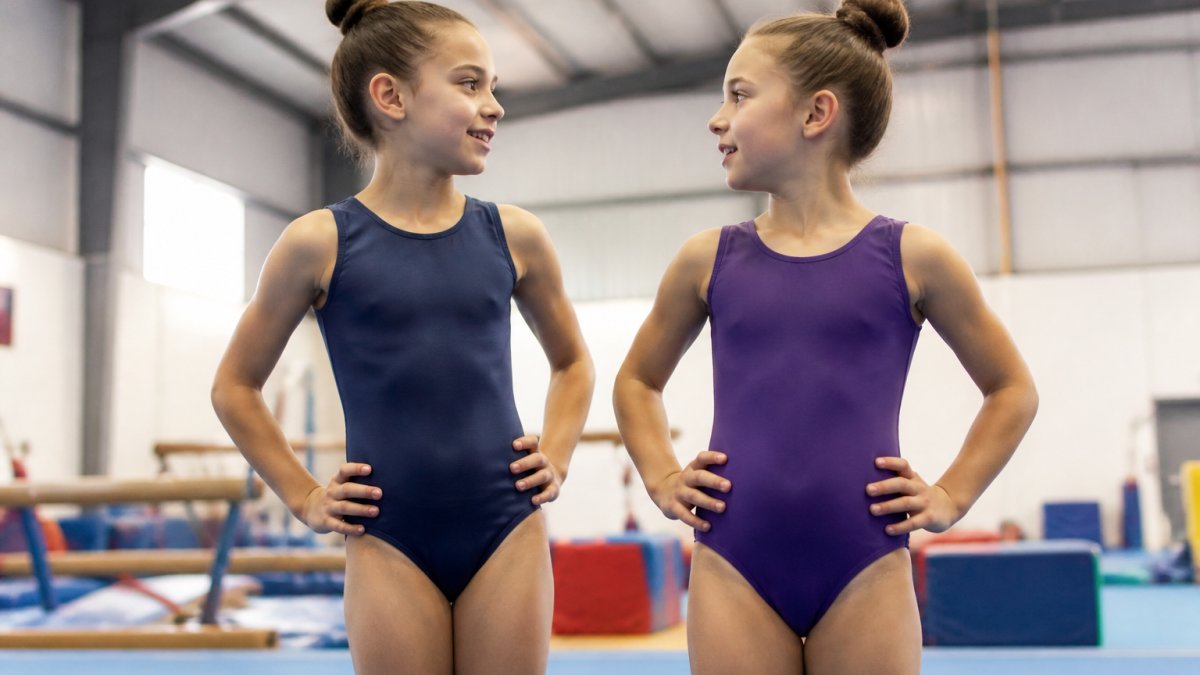
Most leotards look fine in a product photo. The difference shows up in week six, after twenty practices and twenty trips through the laundry. Cheap stretch fabric sags at the seat, straps dig into shoulders, and seams start to fray.
The 2026 buying landscape makes this harder, not easier. This guide covers what actually matters, plus a comparison of our practice styles by gymnast and budget.
Quick Comparison: Foxy's Practice Leotards at a Glance
Here is how our practice leotards compare on price, style, and best use. Every option below is made in the USA and built for daily training.
| Leotard | Price | Back Style | Best For |
|---|---|---|---|
| Black T-Back Leotard | $39.99 | Open T-back | Best overall for most gymnasts |
| Black Ribbed Leotard | $20.00 | Closed back | Best value and beginners |
| Solid Fuschia Mystique Leotard | $47.99 | Open tank | Bright color, team practices |
| Ultra Soft Prints | $52.99 | Open tank | Sensory comfort, long practices |
| Rise, Shine & Be Awesome | $47.99 | Closed back | Toddlers and young beginners |
| Kawaii Crew Matching Set | $52.99 | Open tank | Gifts and imaginative play |
Prices reflect our current 2026 catalog. The spread between $20 and $52.99 tracks fabric type and print complexity, not quality tier. A $20 ribbed leotard uses the same construction standards as a $52.99 ultra soft print.

How to Choose a Gymnastics Leotard for Daily Training
Choosing a gymnastics leotard for daily training comes down to three variables: how often she trains, what fabric suits her skin, and how much coverage she wants. Get those right and the rest is preference.
Match the Style to the Training Schedule
A gymnast training two hours a week has different needs than a team gymnast training fifteen. For recreational gymnasts, a closed-back style like our Black Ribbed Leotard works well because it stays secure through basic skills and costs little to replace as she grows.

For team gymnasts and anyone training four or more days a week, open-back tank and T-back styles make more sense. The open back adds breathability during long sessions, and the contoured shoulder fit reduces strap slippage during inversions. Tank leotards, sleeveless leotards, and T-back styles all fall into this category.
Fabric, Stretch, and Coverage Checklist
Fabric decides how a leotard feels on day one and how it looks on day one hundred. Use this checklist when comparing any practice leotard:
-
Stretch recovery: Does the fabric snap back after stretching, or stay stretched?
-
Stitch type: Zig-zag stitching flexes with movement
-
Coverage: Check the leg line and seat coverage in a squat position, not standing
-
Shoulder straps: Narrower straps suit smaller frames; wider straps stay put on broader shoulders
-
Care requirements: Machine washable fabric saves hours over a season
Lycra remains the standard for gymnastics because it stretches in four directions and recovers well when washed cold. Our ultra soft prints use a buttery-soft knit that gymnasts with sensory sensitivities tend to prefer.
Gymnastics Leotard Fit: Sizing Without the Guesswork
Gymnastics leotard fit comes down to torso length, not height or age. Two gymnasts the same height can need different sizes because their torsos measure differently.
Measure torso length by running a soft tape from the top of one shoulder, down through the crotch, and back up to the same shoulder. Compare that number to the brand's size chart rather than guessing from clothing size.
A leotard should feel snug but never restrictive. If you can pinch more than an inch of loose fabric at the hip, size down. If straps dig into the shoulders when arms raise overhead, size up or switch to a style with a different strap cut.
Torso Length, Shoulder Straps, and Freedom of Movement
Freedom of movement depends on where the fabric stretches and where it does not. Good practice leotards stretch across the torso and hips, then hold firm at the leg openings so nothing rides up during splits or leaps.
Shoulder straps matter more than most buyers expect. Narrower straps with a contoured shoulder fit, like those on our Black T-Back Leotard, reduce slipping during back handsprings and clear the shoulder blades for full arm rotation.
For growing gymnasts, a slightly roomier fit at the torso buys a few extra months of wear.
What to Look For in Gymnastics Leotard Brands
The best gymnastics leotard brands share four traits: consistent sizing across styles, durable stitching, fabric that survives repeated washing, and a clear return or exchange policy. Everything else is design preference.
Black T-Back Leotard - Foxy's Classic Gymnastics & Dance Leotard →
Ask these questions before committing to a brand:
- Is the size chart based on body measurements or clothing size? Body measurements are more accurate.
- What stitch is used at stress points? Zig-zag and flatlock stitching flex; straight stitching fails.
- Is the fabric machine washable? Hand-wash-only leotards rarely survive a busy season.
- Can the brand handle custom team orders? Team gymnasts need matching leotards in multiple sizes.
- How fast do orders ship? A leotard that arrives after the meet is worthless.
Made-in-USA production is a meaningful signal for durability, because it usually means tighter quality control and shorter supply chains. Foxy's has sewn leotards in Michigan since 1985, and our design team builds custom team leotards for squads that want a unique look rather than a stock catalog design.
For parents comparing gymnastics leotard brands, the practical test is simple: buy one leotard, wash it ten times, and see how it holds up. That single test tells you more than any marketing page.
Top Foxy's Picks for Practice, by Gymnast and Budget
These are our own practice leotards, sorted by who they suit best. Every style below is built for training rather than competition, though several work for both.
Best Overall: Black T-Back Leotard
The Black T-Back Leotard at $39.99 is our top pick for most gymnasts. The open T-back design maximizes breathability, and the narrower straps with a contoured shoulder fit keep everything in place during inversions.
It is cut from soft, flexible Lycra that moves through full range of motion without binding. The solid black color hides chalk and wear better than prints, which matters for a leotard worn three or four times a week. This is the one we recommend when a parent asks for a single leotard that handles everything from class to open gym.
Best Value: Black Ribbed Leotard
At $20.00, the Black Ribbed Leotard is the lowest-cost way to get a durable practice leotard. The ribbed texture gives it a more interesting look than plain black, and the closed back offers a secure, simplified fit.
The cut is slim, so order one size up if your gymnast prefers a looser feel. Soft, breathable fabric keeps it comfortable through long practices, and the price makes it easy to buy two or three and rotate them. For recreational gymnasts and beginners, this is the smartest first purchase.
Best for Sensory Comfort: Ultra Soft Prints
Our ultra soft line, including the Ultra Soft Sushi Kisses Leotard and Ultra Soft Teddy Bear Leotard at $52.99, uses a buttery-soft fabric that gymnasts with sensory sensitivities often prefer.

The trade-off is price and care. Ultra soft prints cost more than solid styles. For a gymnast who complains about scratchy fabrics or refuses to wear certain leotards, the extra cost is usually worth it.
For toddlers and young beginners, the Rise, Shine & Be Awesome Leotard at $47.99 offers a closed back and a machine-washable construction. For gift-givers, the Kawaii Crew Matching Leotard & Doll Set at $52.99 pairs a gymnast leotard with a matching doll leotard.
Caring for Practice Leotards: Wash, Wear, and Long-Term Value
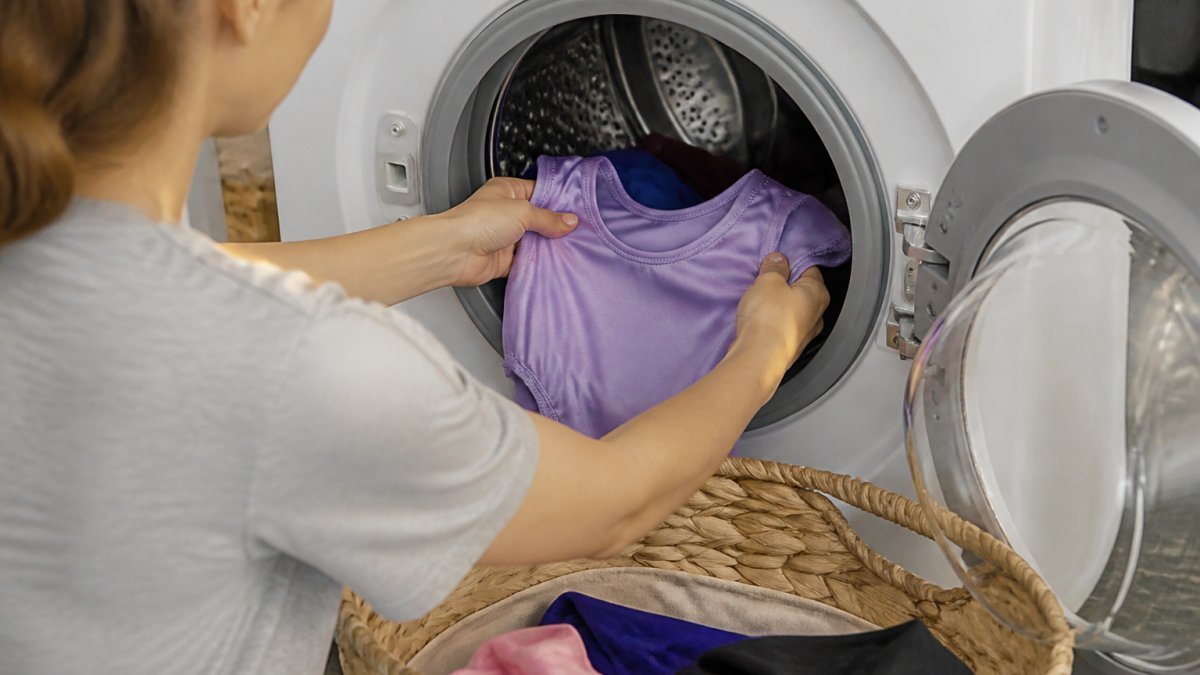
Practice leotards last longest when washed cold, dried flat or hung, and rotated between at least three garments.
Care rules that actually extend lifespan:
- Wash after every practice. Sweat breaks down stretch fibers over time.
- Turn the leotard inside out before washing to protect the print and outer surface.
- Use cold water and a gentle cycle. Hot water is the main cause of fading and stretch loss.
- Skip fabric softener. It coats the fibers and reduces stretch recovery.
- Hang or lay flat to dry. Never tumble dry.
- Keep two or three leotards in rotation so each one rests between wears.
For team gymnasts, a practice rotation of three leotards covers a full week without mid-week laundry. That rotation also spreads wear evenly, so no single leotard wears out first.
Conclusion: Building a Practice Rotation That Works
The best gymnastics leotards for practice are the ones that still fit and feel good after a full season of training. That means prioritizing stitch construction, fabric recovery, and correct torso sizing over print and price tag alone.
If you are building a rotation from scratch, start with our Black T-Back Leotard as your everyday workhorse, add the Black Ribbed Leotard for value, and bring in an ultra soft print for gymnasts who need extra comfort. For teams, our custom design service builds matching leotards in every size your squad needs, with orders delivered within 72 hours.
Get started with Foxy's and build a practice rotation that keeps up with every leap, twirl, and sprint.
Frequently Asked Questions
What should I look for in a gymnastics practice leotard?
Prioritize fit, fabric, and freedom of movement. The leotard should stay in place through jumps and tumbling without riding up or digging into the shoulders. Look for soft, stretchy material that breathes, like the Lycra used in Foxy's Black T-Back Leotard, and check whether the cut gives full shoulder coverage for bar work. A leotard that fits well and moves with the body lets a gymnast focus on training instead of tugging at straps.
How should a gymnastics leotard fit?
A gymnastics leotard fit should be snug but never restrictive. The torso should feel secure with no excess fabric bunching at the hips, and the straps should sit flat without pressing into the shoulders. If a leotard pulls down at the chest or rides up during skills, it is too short in the torso; if it wrinkles across the midsection, it is too long. Foxy's notes that its ribbed leotard runs slim, so sizing up is an option for gymnasts who prefer a looser feel.
How often should you replace a gymnastics practice leotard?
Most gymnasts training three or more times per week replace practice leotards every six to twelve months. Signs it is time include stretched-out straps, faded prints, pilling, or fabric that has lost its snap. Rotating between three or four leotards spreads out wear and washing, which extends the life of each one. A durable option like Foxy's Black T-Back Leotard, made with a signature zig-zag stitch, is built to handle repeated practice and washing cycles.
Are there cotton leotards for gymnastics?
Most gymnastics practice leotards use Lycra or a Lycra blend because those fabrics stretch in four directions and hold their shape through repeated washing. For daily practice, a soft Lycra or ultra-soft fabric leotard gives excellent freedom of movement and durability while still feeling comfortable against the skin.
What can gymnasts wear to practice besides a leotard?
Gymnasts often wear a unitard, biketard, or a leotard paired with shorts, especially for recreational classes or cold gyms. Some programs allow a fitted tank top and leggings for warm-ups. Check the gym's dress code first, since many teams require a leotard for safety reasons, like keeping the coach's view of body alignment clear. A practice leotard with shorts over it is the most common combination for training days.


Leave a comment
This site is protected by hCaptcha and the hCaptcha Privacy Policy and Terms of Service apply.