
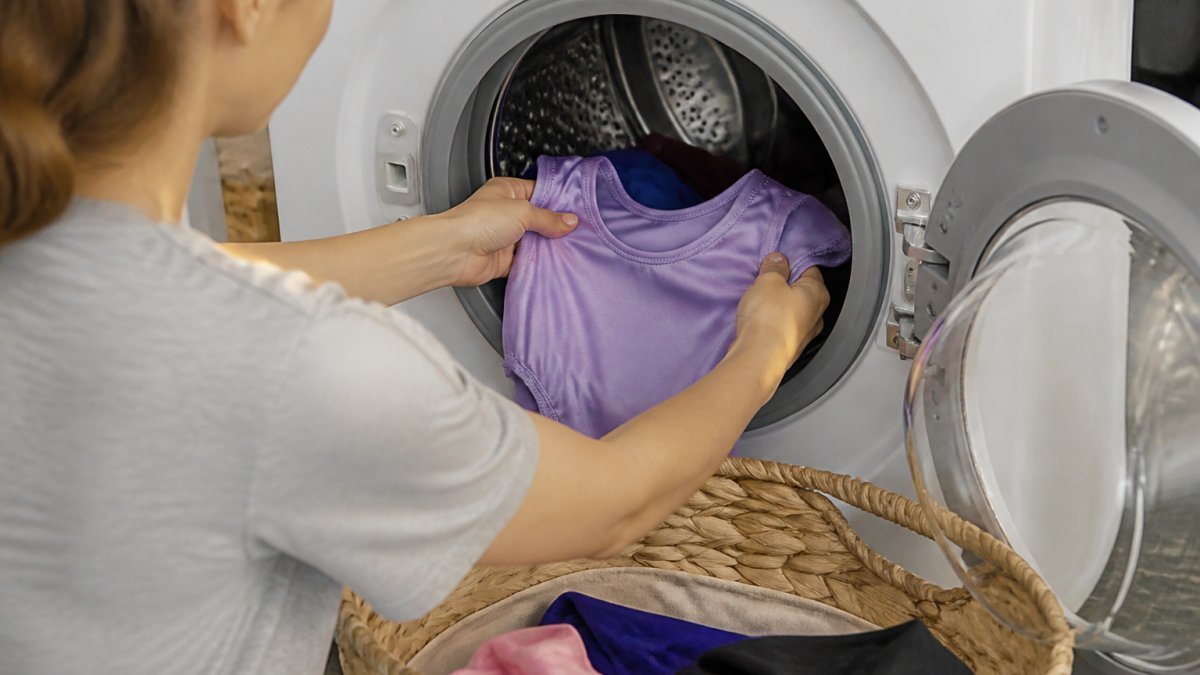
Machine Washable Dancewear for Active Kids
Table of Contents
- Why Machine Washable Dancewear Matters for Active Kids
- Children's Dancewear and Apparel Essentials
- How to Wash a Leotard Without Damage
- How to Remove Sweat Odor from Dancewear
- How to Dry a Leotard Properly
- How to Make Dancewear Last Longer
- Choosing Machine Washable Dancewear That Fits
- Conclusion
- Frequently Asked Questions
Last Updated: October 14, 2026
Why Machine Washable Dancewear Matters for Active Kids
Active kids put dancewear through constant wear, sweat, dirt, and stretching break down fabrics fast. Machine washable dancewear makes care simple and extends garment life.

At Foxy's, we design leotards and activewear that withstand intense training and frequent washing, with a signature zig-zag stitch that reinforces stress points.
Children's Dancewear and Apparel Essentials
Kids' dancewear comes in core categories, each serving a purpose in training and performance.
The foundation of any dancer's wardrobe is leotards, unitards, and coordinating pieces, quality machine washable dancewear keeps clean pieces ready.
Leotards and Unitards for Daily Training
A leotard is a one-piece garment covering the torso and legs for unrestricted movement; unitards extend coverage to arms and sometimes feet.
Machine washable leotards should use breathable, stretchy fabrics that hold shape after multiple washes, with reinforced seams at the crotch and armholes.
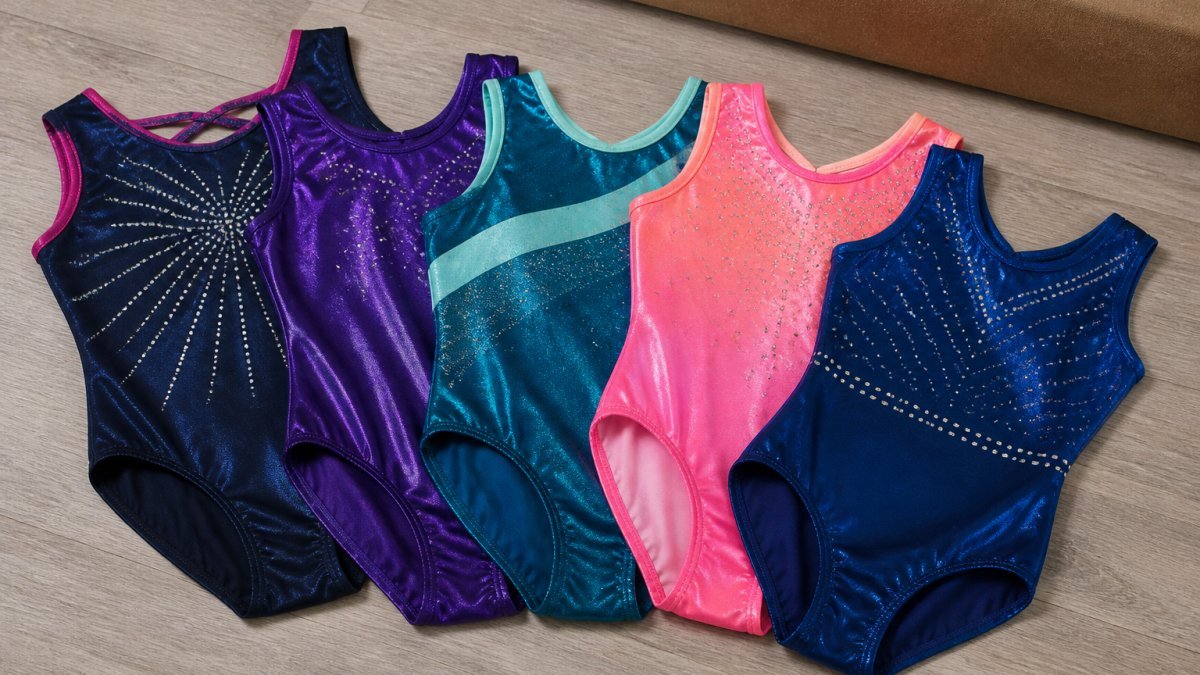
Foxy's leotards like our Solid Pink Gymnastics Bodysuit ($9.99) combine comfort with durability: soft, breathable fabric that moves with your child, and machine washable construction that keeps pieces fresh without hand-washing.
For daily training, most dancers need at least two leotards in rotation, one washes while your child wears the other.
Tops, Bottoms, and Two-Piece Sets
Two-piece dancewear sets offer flexibility leotards don't: mix and match tops and bottoms for multiple outfits from fewer pieces.

Foxy's two-piece sets like the Butterfly Fans Yoga & Dance Set ($39.99) pair a butterfly print top with coordinating bottoms.

Two-piece sets work for training, casual wear, and performance, and you can replace one worn piece instead of an entire outfit.
How to Wash a Leotard Without Damage
Machine washing is convenient, but technique matters.
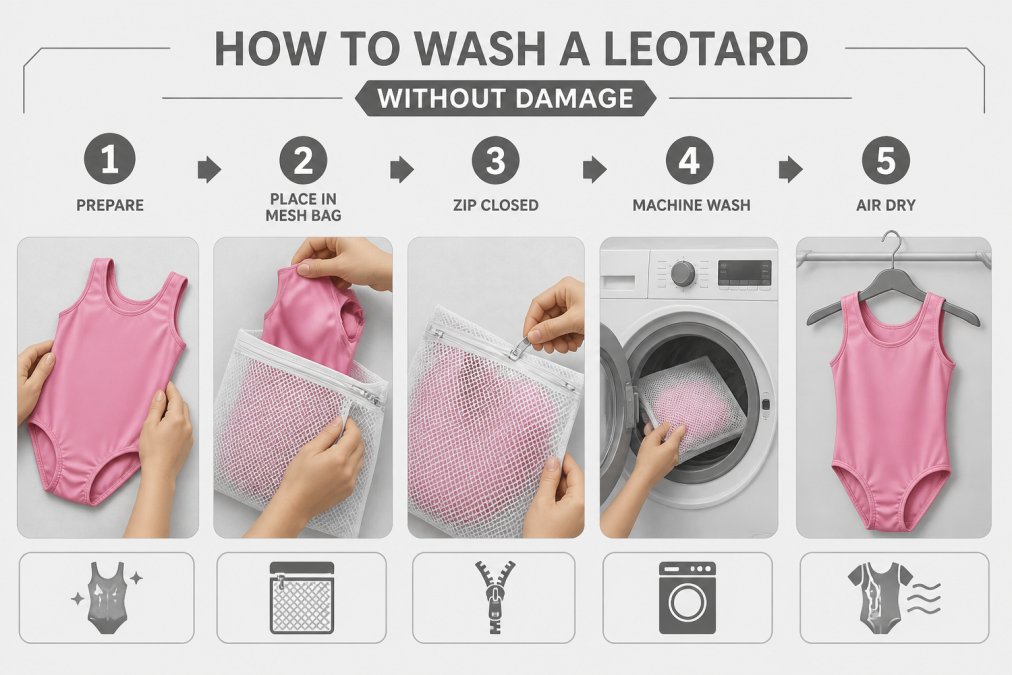
The safest baseline: mesh laundry bag, cold water, gentle cycle. These protect delicate fabrics and the elastic that gives dancewear its stretch and shape. From there, adjust by fabric and trim.
Reading the Care Label Before You Wash
Every garment sold in the U.S. carries a care label under the FTC's care labeling rule (16 CFR Part 423), the first thing to check (the FTC).
Look for these label indicators:
- Machine wash cold or machine wash warm (cold is safer for stretch and color)
- Gentle, delicate, or hand-wash cycle symbol
- No bleach, or non-chlorine bleach only
- Tumble dry low, or line dry / lay flat to dry
If a label says hand wash only, respect it, specialty fabrics, glued-on rhinestones, and heat-set embellishments need gentler handling. Foxy's pieces are designed for machine washing.
Matching the Wash Method to the Fabric
Different fibers behave differently in the drum. How common dancewear fabrics compare:
- Nylon-spandex (the most common leotard blend): Handles cold machine washing well. Spandex (elastane) is the fiber most sensitive to heat, so keep water cold and skip the dryer.
- Polyester-spandex: Slightly more pill-resistant than nylon blends and holds color well. Same cold-water, gentle-cycle rule applies.
- Cotton or cotton-blend: Comfortable and breathable but slower to dry and more prone to shrinkage. Cold water and low heat (or air drying) are essential.
- Mesh and power-mesh panels: Structurally fine in a mesh bag, but snag easily against zippers and hook-and-loop closures. Wash mesh pieces separately from anything with hardware.
Step-by-Step Machine Washing Process
- Empty pockets and close any hooks. Check for hair ties, bobby pins, and gum wrappers.
- Turn the garment inside out. This protects the outer surface, prints, and any embellishments from friction.
- Place it in a mesh laundry bag. One or two pieces per bag; overcrowding reduces the protection.
- Load the washer loosely. A half-full drum cleans better and stresses fabric less than a packed one.
- Select cold water and a gentle or delicate cycle. Never use regular or heavy-duty cycles.
- Add a small amount of mild detergent, roughly half the normal dose. Excess soap residue traps in stretch fabrics and can irritate sensitive skin.
- Skip fabric softener and dryer sheets. They coat fibers, reduce breathability and stretch, and build up until dancewear feels stiff.
- Remove pieces immediately when the cycle ends. Leaving wet garments sitting encourages mildew and odor.
A gentle cycle typically runs about 30 minutes. A "hand wash" or "delicate" setting with low spin speed is the closest match to how most manufacturers test their garments.
What to Do When the Label Is Missing or Unclear
Labels wear off, especially on hand-me-downs and team uniforms. When you can't read the instructions, default to the most conservative method: cold water, gentle cycle, mesh bag, mild detergent, air dry. For sequins, glued trim, or a structured bodice, hand wash in cold water and lay flat to dry.
How to Remove Sweat Odor from Dancewear
Sweat odor in dancewear comes from bacteria and mineral buildup, not sweat itself, and standard washing doesn't always eliminate stubborn odors.
A simple soak before machine washing tackles this.
After soaking, machine wash as usual, the vinegar smell dissipates during the cycle.
For stubborn odors, repeat the vinegar soak before each wash, especially in summer.
Baking soda is another option: sprinkle it inside the leotard, let it sit overnight to absorb odors, shake it out the next morning, and machine wash as normal.
Solid Pink Gymnastics Bodysuit - Comfortable & Flexible Leotard for Girls →
How to Dry a Leotard Properly
Drying matters as much as washing. Machine drying damages elastic and can shrink garments; air drying preserves fabric integrity.
Lay the wet leotard flat on a clean towel or hang it on a padded hanger in a shaded spot with good air circulation, direct sunlight fades colors.
For faster drying, roll the damp leotard in a clean towel and press gently, then lay it flat to finish.
Never wring or twist a leotard, it stretches elastic fibers and distorts shape.
How to Make Dancewear Last Longer
Durability comes from fabric quality and proper care. Foxy's signature zig-zag stitch reinforces stress points and prevents seams from splitting, but your care routine and rotation often determine whether a garment lasts one season or three.
What Actually Wears Dancewear Out
Most premature failures trace back to a few mechanisms:
- Elastic fatigue. Spandex loses recovery when exposed to heat, chlorine, and repeated stretching. Once elastic stops snapping back, the garment sags at the shoulders, waist, and leg openings.
- Seam stress at high-movement points. Crotch seams, armholes, and leg openings take the most load during splits, leaps, and tumbling. A single-point failure there ends the garment's life.
- Pilling and abrasion. Friction against zippers, hook-and-loop closures, and rough surfaces breaks surface fibers into pills, making pieces look worn out.
- Color fading. UV exposure from sun-drying and hot water both accelerate fading, especially on saturated pinks, reds, and blacks.
- Residue buildup. Fabric softener, dryer sheets, and excess detergent leave a film that traps odor and stiffens stretch fabrics over time.
Understanding these tells you where to focus: keep heat away, protect seams, reduce abrasion, and skip the softener.
Durability Features That Matter
Look for these details when choosing machine washable dancewear:
- Reinforced seams at crotch, armholes, and leg openings
- Tight, even stitching
- Elastic that maintains stretch after multiple washes
- Fabrics that resist pilling and fading
- Flatlock or coverstitch seams on high-stretch pieces, which flex with the fabric
Foxy's leotards feature reinforced construction throughout. Our zig-zag stitch distributes stress across seams, preventing the single-point failures that cause rips, crucial for active kids who move hard and grow quickly.
Fabric weight also affects durability: heavier fabrics withstand more washes before thinning, while lighter ones wear faster. For frequent training, medium-weight machine washable fabrics balance breathability and longevity.
Post-Class Laundry Routine for Active Kids
A repeatable routine keeps dancewear fresh when your child has class three or four days a week:
- Rinse immediately after class. Run cold water through sweaty pieces for 30 seconds. This removes surface sweat and body oils before they set into fibers.
- Hang to dry before bagging. If you cannot wash right away, hang the piece to dry rather than sealing it damp. Mildew and set-in odor start within hours in a closed bag.
- Use a breathable mesh bag for transport. Never seal wet pieces in plastic. A mesh bag lets air circulate while keeping pieces contained.
- Wash at least weekly. More frequent gentle washing is better than infrequent heavy-duty washes.
- Rotate at least two leotards. This gives each piece time to dry fully and reduces the wash frequency per garment.
- Inspect monthly. Check seams, elastic, and fabric surface for pilling, thinning, or loose threads. Catching small issues early prevents them from becoming major problems, a loose seam can be repaired before it becomes a tear.
Storage and Rotation Between Seasons
How you store dancewear off-season affects how it performs when classes resume. Wash everything before storing, residual sweat and oils attract pests and set into stains over months.
For competitive dancers with multiple costumes, label each piece with the routine name and size on a small tag. When a piece is retired, you will know exactly what to reorder and in what size, a small habit that saves real money over a season.
Choosing Machine Washable Dancewear That Fits
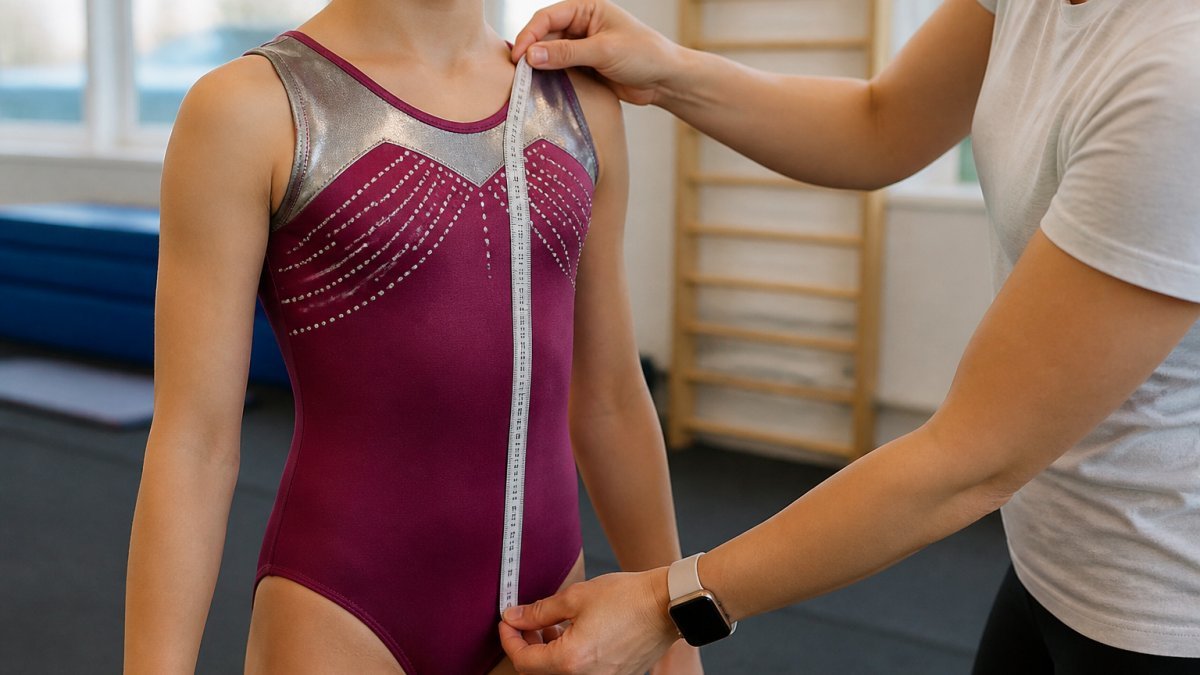
Machine washable dancewear should fit snugly without cutting off circulation, allowing full range of motion.
Growth matters for active kids. Many parents size up, but oversized pieces compromise movement visibility and comfort.
Foxy's offers sizing guidance, and our leotards are designed with growing gymnasts in mind.
Color and style matter too: a leotard your child loves gets worn more, meaning more washing cycles.
Conclusion
Machine washable dancewear for active kids solves the challenge of keeping up with frequent training and performance schedules. Proper washing extends garment life, removes odors, and keeps pieces fresh; quality construction plus smart care creates dancewear that lasts through seasons of movement.
At Foxy's, we design leotards and activewear with durability and easy care built in. Explore our collection of machine washable leotards and two-piece sets and see why active families trust Foxy's to keep their dancers comfortable and confident.
Frequently Asked Questions
Can you machine-wash kids' dancewear?
Yes, most machine washable dancewear for active kids can go in the washing machine on a gentle cycle. Always check the care label first to confirm the fabric is machine-safe. Use cold water, a mesh laundry bag, and mild detergent to protect delicate fabrics. Avoid fabric softener and bleach, which can damage elastic and prints. Foxy's leotards are machine washable and designed for the demands of young dancers.
How often should kids' dancewear be washed?
Wash dancewear after each class or practice session to prevent sweat buildup and odor. If your child wears the same leotard multiple days in a row during competition season, rinse it with cold water between wears and wash thoroughly after the final performance. Regular washing extends the lifespan of the garment and keeps the fabric fresh and hygienic for active kids.
How do you remove sweat odor from dance clothes?
Soak the dancewear in cold water with a small amount of white vinegar (one cup per gallon) for 30 minutes before washing. The vinegar neutralizes odor-causing bacteria without damaging fabrics. Alternatively, add baking soda to the wash cycle or use a sports-specific detergent designed for activewear. Avoid hot water, which can set odors permanently. Air-dry to finish the odor-removal process.
Can you put a leotard in the dryer?
No, machine drying damages leotards. Heat breaks down elastic, causes shrinking, and fades prints. Always air-dry your child's dancewear by laying it flat on a clean towel or hanging it on a clothesline away from direct sunlight. Air-drying takes a few hours but preserves the fit, color, and stretch that active kids depend on during training and performance.

Leave a comment
This site is protected by hCaptcha and the hCaptcha Privacy Policy and Terms of Service apply.